What is Charity?
By N. Mahesan on Feb. 21, 2026
What is Charity?
Charity may be understood as a defining boundary of the human psyche. It represents a heightened emotional and moral state, functioning primarily as a disciplined approach to recognizing, regulating, and expressing inner emotional experiences. At its core, charity reflects a condition of fearlessness, specifically, the absence of anxiety regarding personal loss or self-harm. Such a disposition is not instinctive but is gradually cultivated through lived experience.
Charity serves to liberate individuals from emotional inhibition and social embarrassment. Nevertheless, emotional excess, when left unchecked, can be as detrimental as emotional deprivation. An unrestrained overflow of feelings is no more desirable than an arid emotional existence devoid of empathy. Charity emerges as a refined psychological equilibrium, a form of emotional self-regulation that safeguards the mind while allowing compassion to flourish. Indeed, the presence of balanced emotional expression is a fundamental indicator of psychological and emotional well-being.
Within the context of practical life, there exists no achievement beyond human capability. What is essential, however, is the conscious formation of an unwavering belief in one’s capacity to succeed. This cultivated conviction, the confidence that purposeful action can yield meaningful outcomes, constitutes the philosophical foundation of charity itself.
Charity may be broadly categorized into two principal forms:
1. Material Charity
2. Bodily Charity
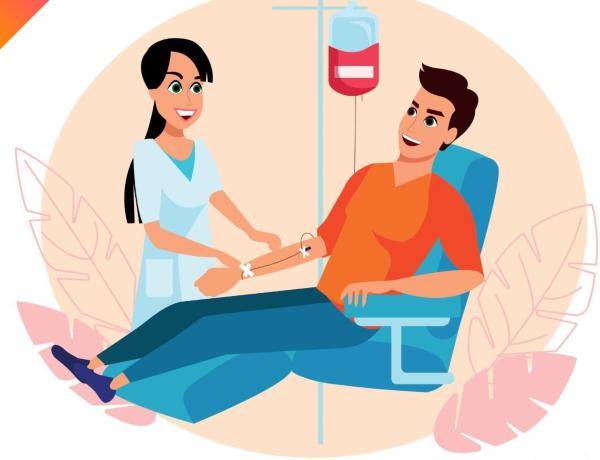
In this discourse, particular emphasis is placed upon bodily charity. This form may be further subdivided into organ donation and blood donation. Organ donation, by its nature, is limited and cannot be perpetually offered throughout an individual’s lifetime. Blood donation, in contrast, represents a recurring act of generosity that may be undertaken repeatedly for as long as one remains alive.
The practice of blood donation yields substantial benefits not only to recipients but also to donors. It contributes to improved physical health, renewed vitality, enhanced mental tranquility, strengthened emotional resilience, and the revitalization of bodily systems. Furthermore, it aids in the prevention of illness and the strengthening of the body’s immune response. For society at large, blood donation stands as a life-preserving act, capable of sustaining and saving innumerable lives.
Therefore, the ethical imperative is clear: charity, particularly in its bodily form, must be consciously embraced and responsibly practiced. Through such commitment, individuals not only safeguard the well-being of others but also cultivate their own physical health, mental harmony, and moral integrity.
N. Mahesan
Canada